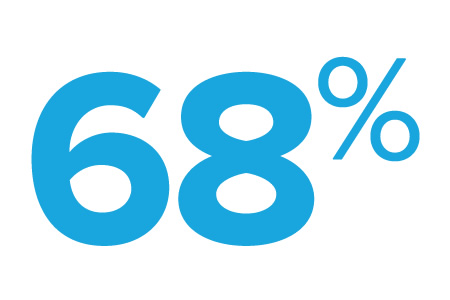
of organizations are experiencing recruiting difficulty and skills shortages for certain types of jobs.1
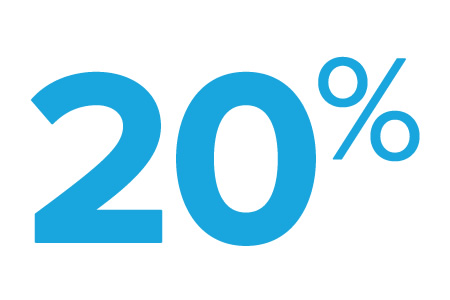
of employees are not satisfied with their current benefits.2
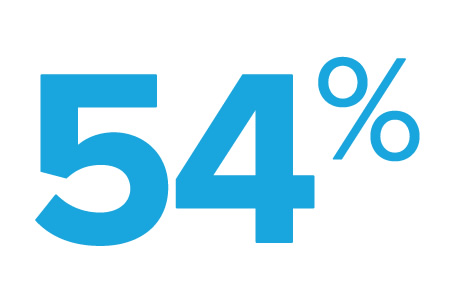
% of Millennials cite their benefits as a determining factor in deciding where to work.3

Learn about the caring expertise our Benefits Advisors can provide you and your employees.

Learn how Aflac helps make benefits enrollment and administration easier.
1 The Society for Human Resource Management (SHRM) – 2017 EMPLOYEE BENEFITS: Remaining Competitive in a Challenging Talent Marketplace. Published June 2017. https://www.shrm.org/hr-today/trends-and-forecasting/research-and-surveys/Documents/2017%20Employee%20Benefits%20Report.pdf.
2 Employee Benefit Research Institute (EBRI) – Value of Workplace Benefits: Findings from the 2016 Health and Voluntary Workplace Benefits Survey. Published April 18, 2017. https://www.ebri.org/pdf/notespdf/EBRI_Notes_v38no5_WBS.18Apr17.pdf.
3 Robert Wood Johnson Foundation (RWJF) – Results from a National Study of Employers with 50 or Fewer Employees about Health Insurance. Published December 2015. https://www.rwjf.org/en/library/research/2015/11/small-employers-and-the-small-business-health-options-program--s.html.
The value-added services listed here and made available on Everwell are offered by multiple providers. Aflac’s affiliation with the value-added service providers is limited only to a marketing alliance. Other than this marketing alliance, Aflac and the value-added service providers are not affiliated in any way. Aflac makes no representations or warranties regarding the value-added service providers, and is not responsible for any of the products or services provided by the value-added service providers. The value-added services may not be available in all states, and benefits may vary by state. Each value-added service provider offers its products and services subject to its own terms, limitations and exclusions. Refer to plan details in Everwell for further information on terms, limitations and exclusions.







 New messages from Aflac |